
Business Automation

WooCommerce SEO Checklist: Rank Higher and Get More Sales

Running a WooCommerce store is only half the battle. The real challenge lies in getting potential customers to find your products among millions of competing listings online. Search engine optimization remains one of the most effective methods for driving consistent, high-quality traffic to an ecommerce website. Unlike paid advertising, organic search traffic can continue delivering visitors and sales long after optimization work has been completed.

As search engines become increasingly sophisticated, WooCommerce store owners must focus on both technical and content-based SEO strategies. Modern ecommerce SEO extends beyond keywords and meta tags. It includes website speed, mobile experience, structured data, internal linking, user experience, product content quality, and overall website authority.

Google continues to reward websites that provide valuable content, fast loading speeds, and excellent user experiences. WooCommerce store owners who follow SEO best practices often enjoy higher rankings, increased visibility, better conversion rates, and lower customer acquisition costs.

Whether you are launching a new online store or improving an established ecommerce business, following a comprehensive SEO checklist can significantly improve your chances of success in competitive search results.

Start with Keyword Research

Effective SEO begins with understanding what customers are searching for. Every product, category, and content page should target specific search terms that align with customer intent. Keyword research helps identify opportunities where potential buyers are actively looking for products similar to yours.

Long-tail keywords often convert better because they target users closer to making a purchase decision. Instead of focusing solely on broad keywords, WooCommerce store owners should optimize for specific phrases that accurately describe products and customer needs.

Understanding search intent allows businesses to create pages that match what customers expect to find. This improves user engagement while increasing the likelihood of ranking higher in search results.

aiowork

Product pages represent the foundation of every WooCommerce store. Search engines rely heavily on product titles and descriptions to understand page content. Well-optimized titles should include primary keywords naturally while remaining clear and appealing to customers.

Product descriptions should go beyond basic specifications. High-quality descriptions explain benefits, use cases, materials, features, and purchasing advantages. Unique content helps products stand out from competitors while reducing duplicate content issues.

Stores that invest time in writing detailed product content often experience stronger search visibility and improved conversion rates because customers receive the information needed to make confident purchasing decisions.

aiowork

Volutpat suspendisse condimentum conubia velit placerat at in augue porta aliquet pretium malesuada montes ac nam ante egestas cras consectetur ipsum donec facilisi curabitur a fames sociis sagittis. A luctus non viverra vestibulum eu hendrerit scelerisque malesuada ad dis cras iaculis.

A luctus non viverra vestibulum eu hendrerit scelerisque malesuada ad dis cras iaculis aliquam netus hendrerit semper nec ac dolor eleifend orci cum quis dictumst cum bibendum montes eleifend.

A luctus non viverra vestibulum eu hendrerit scelerisque malesuada ad dis cras iaculis aliquam netus hendrerit semper nec ac dolor eleifend orci cum quis dictumst cum bibendum montes eleifend. Egestas nascetur neque commodo nunc.

Many WooCommerce stores focus exclusively on product pages while overlooking category pages. Category pages often rank for high-volume keywords and can become major traffic sources when properly optimized.

Each category should include:

  • Unique category descriptions
  • Optimized headings
  • Internal links
  • Relevant keywords
  • Helpful buying information

Well-structured categories improve navigation while helping search engines understand the hierarchy of your store

aiowork
aiowork

Cras consectetur

Product images influence both user experience and SEO performance. Large image files can slow down page loading times, negatively affecting rankings and conversions. Optimized images improve website speed while maintaining visual quality.

Every image should include:

  • Descriptive file names
  • Keyword-rich ALT te


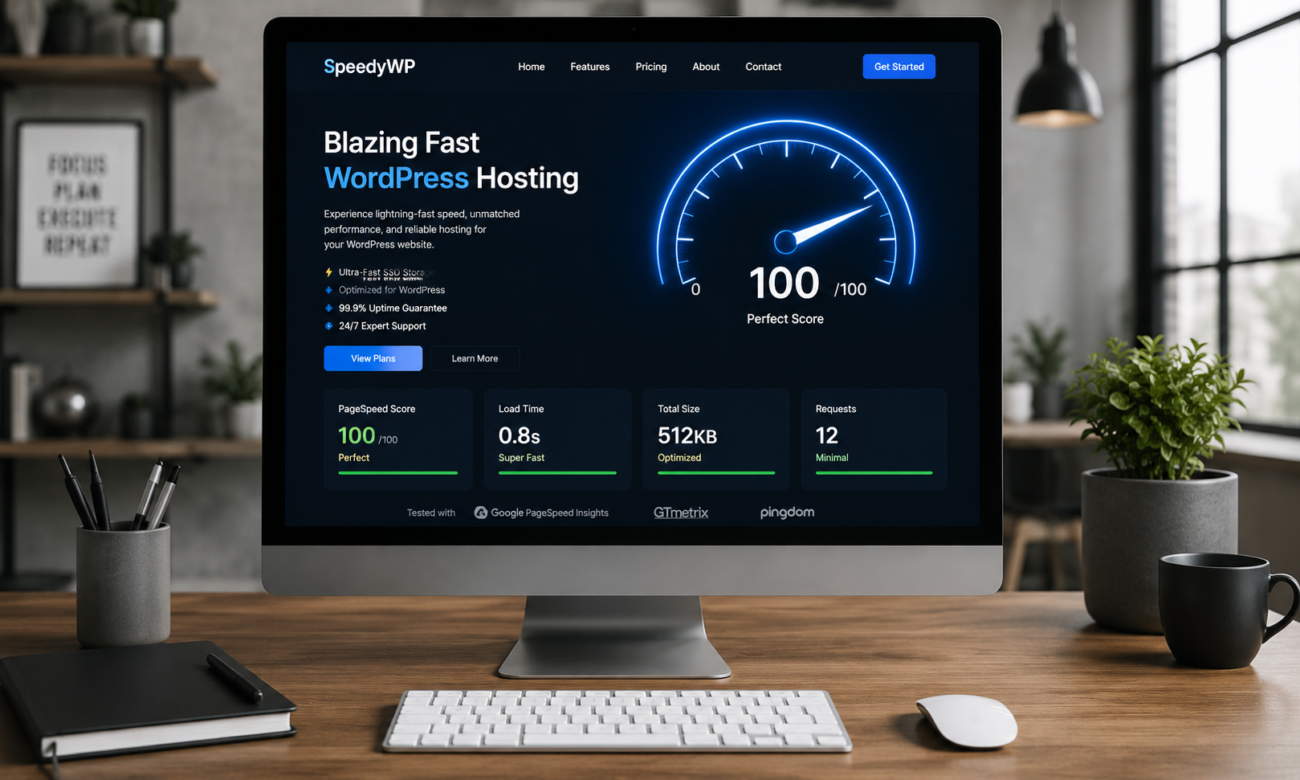
Website speed remains one of the most important ranking factors for ecommerce websites. Customers expect pages to load quickly, particularly on mobile devices. Even small delays can reduce conversions and increase bounce rates.

Leave a Reply

Your email address will not be published. Required fields are marked *