
Website Development

WordPress vs Shopify: Which Platform is Better for Your Business in 2026?

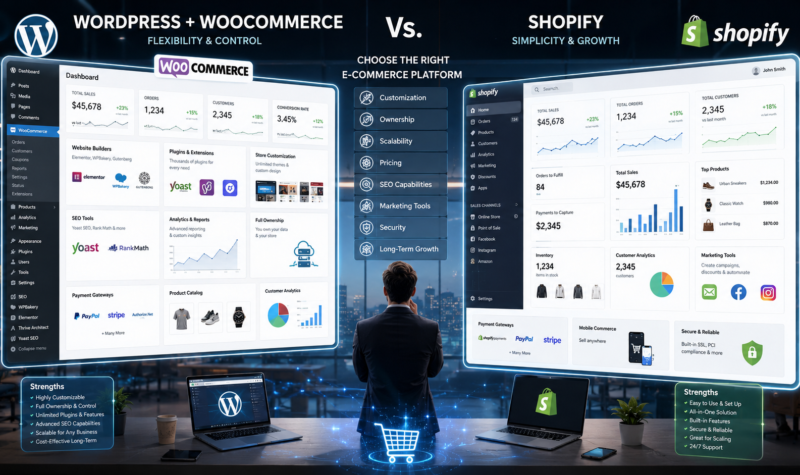
Choosing the right ecommerce platform is one of the most important decisions for any online business. With digital commerce continuing to grow rapidly, entrepreneurs and established brands alike are seeking platforms that offer flexibility, scalability, and cost-effective solutions. Two of the most popular choices remain WordPress with WooCommerce and Shopify. While both platforms are capable of building successful online stores, they differ significantly in terms of customization, ownership, pricing, and long-term growth potential.

WordPress powers millions of websites worldwide and, when combined with WooCommerce, provides an extremely flexible ecommerce solution. Shopify, on the other hand, offers an all-in-one hosted platform designed to simplify store management for business owners who prefer a managed environment. Understanding the strengths and limitations of each platform can help you make the right choice for your business goals in 2026.

As customer expectations evolve and online competition increases, selecting the right technology stack becomes critical for sustainable growth. The platform you choose today can impact your marketing capabilities, operational efficiency, and future expansion opportunities.

Ease of Setup and User Experience

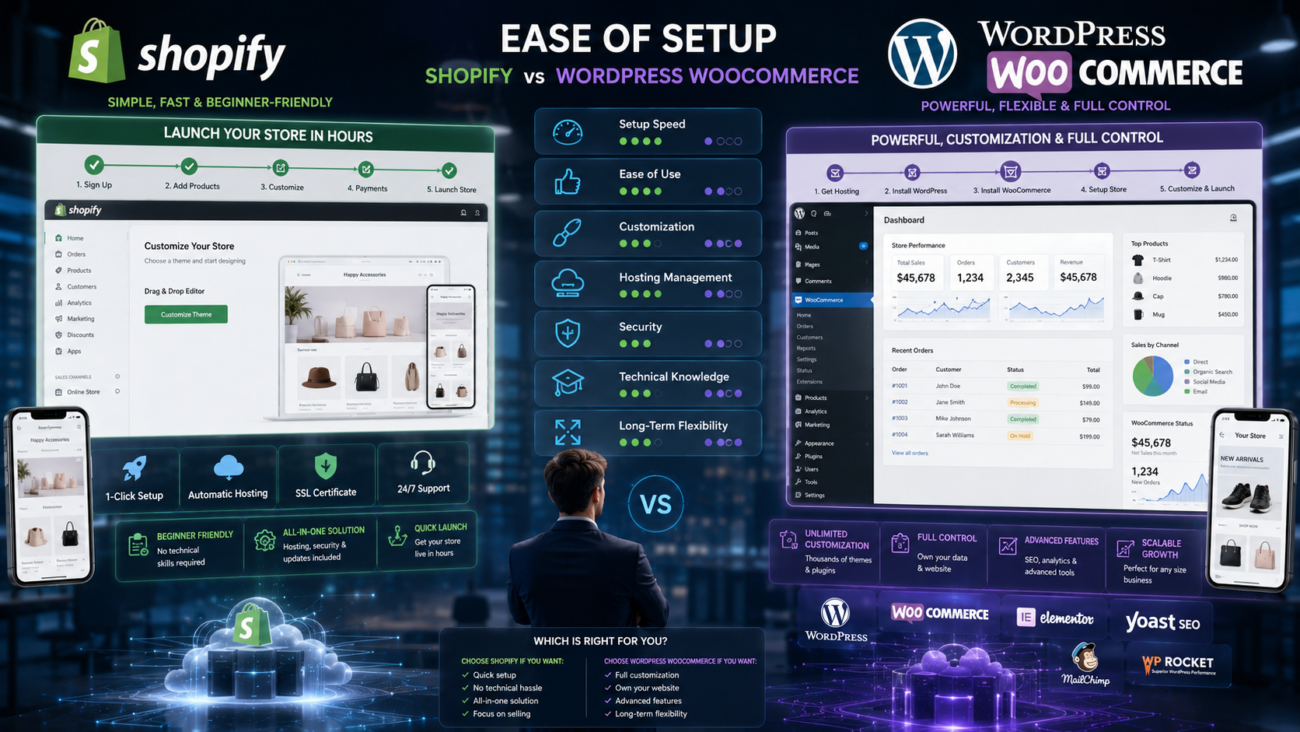
Shopify is widely recognized for its simplicity and beginner-friendly setup process. Users can launch an online store within hours using pre-built templates and guided configuration options. Hosting, security, and software updates are handled automatically, reducing the need for technical expertise.

WordPress and WooCommerce require a bit more setup. Business owners need to arrange hosting, install WordPress, configure WooCommerce, and manage updates. While this process involves additional steps, it provides significantly greater control over website functionality and design.

For businesses seeking maximum convenience, Shopify offers a straightforward path to launching an ecommerce store. However, those willing to invest time in setup often benefit from the flexibility that WordPress provides.

Customization and Design Freedom

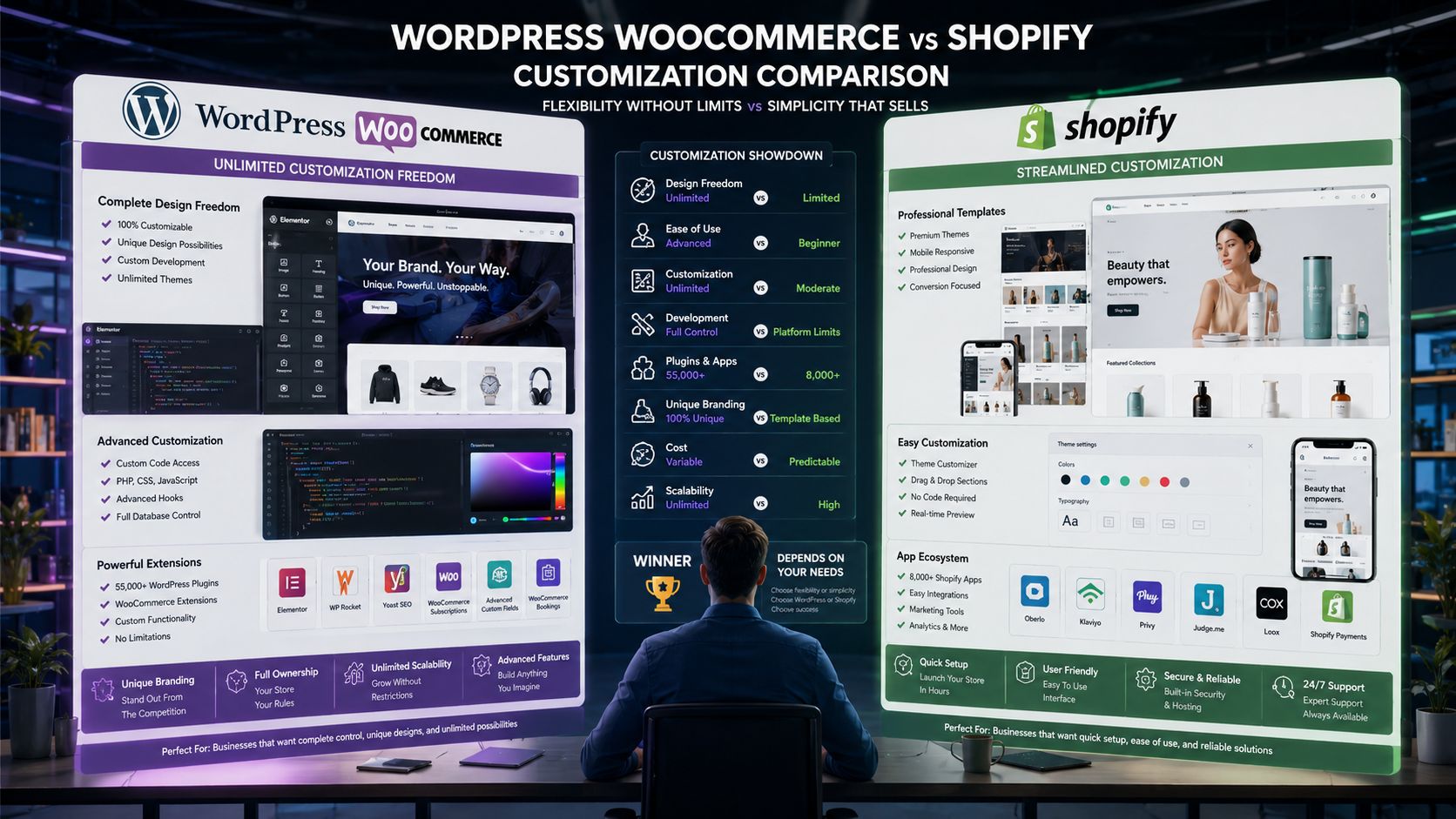
Customization is one of the biggest differences between the two platforms. WordPress offers virtually unlimited design and functionality options through themes, plugins, and custom development. Businesses can create unique customer experiences tailored to their specific requirements.

Shopify provides a selection of professionally designed themes and applications, but customization is often more limited. Advanced modifications may require knowledge of Shopify's Liquid programming language or reliance on third-party apps.

Leave a Reply

Your email address will not be published. Required fields are marked *