
Inventory ManagementInspiration

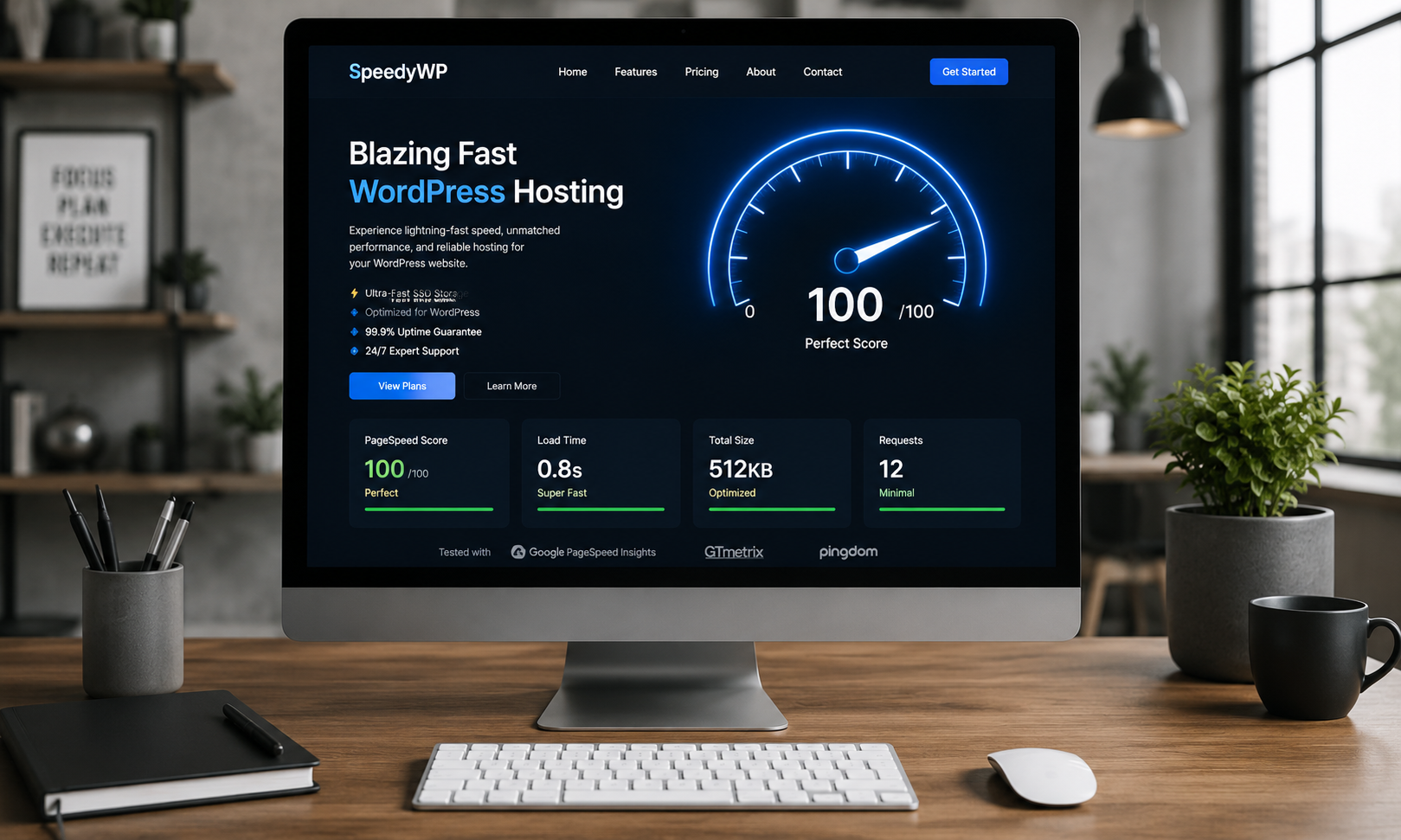
Speed Up a Slow WordPress Website
A slow website can silently destroy your business. Visitors expect pages to load instantly, and even a few seconds of delay can significantly increase bounce rates, reduce conversions, and negatively impact search engine rankings. In today's competitive digital environment, website speed is no longer just a technical consideration—it has become a critical business factor that directly affects revenue, customer satisfaction, and online visibility.

WordPress offers tremendous flexibility and functionality, but improper configurations, bloated plugins, oversized images, poor hosting, and inefficient themes can quickly slow down a website. Fortunately, most performance issues can be identified and resolved through systematic optimization. Whether you run a blog, corporate website, portfolio, or WooCommerce store, improving website speed should be a top priority.

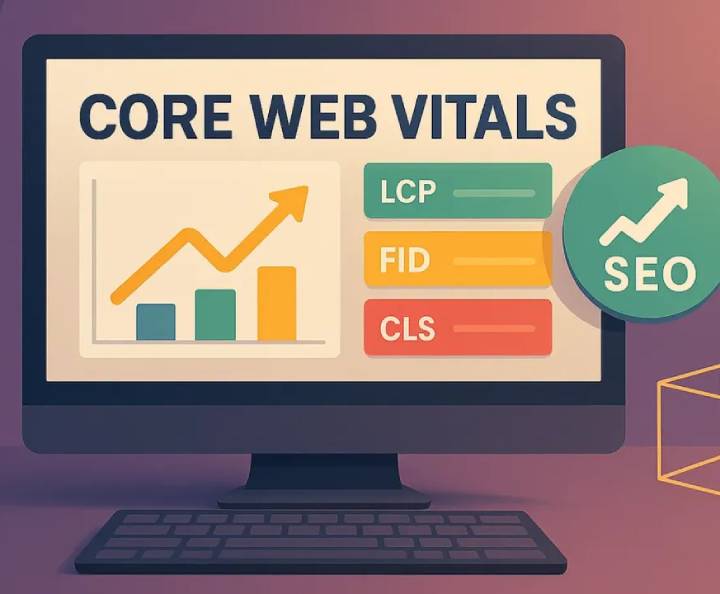
Google's Core Web Vitals continue to influence rankings, making performance optimization essential for SEO success. Faster websites not only rank better but also provide a superior user experience that encourages visitors to stay longer, browse more pages, and complete desired actions.

Optimize Images and Media Files

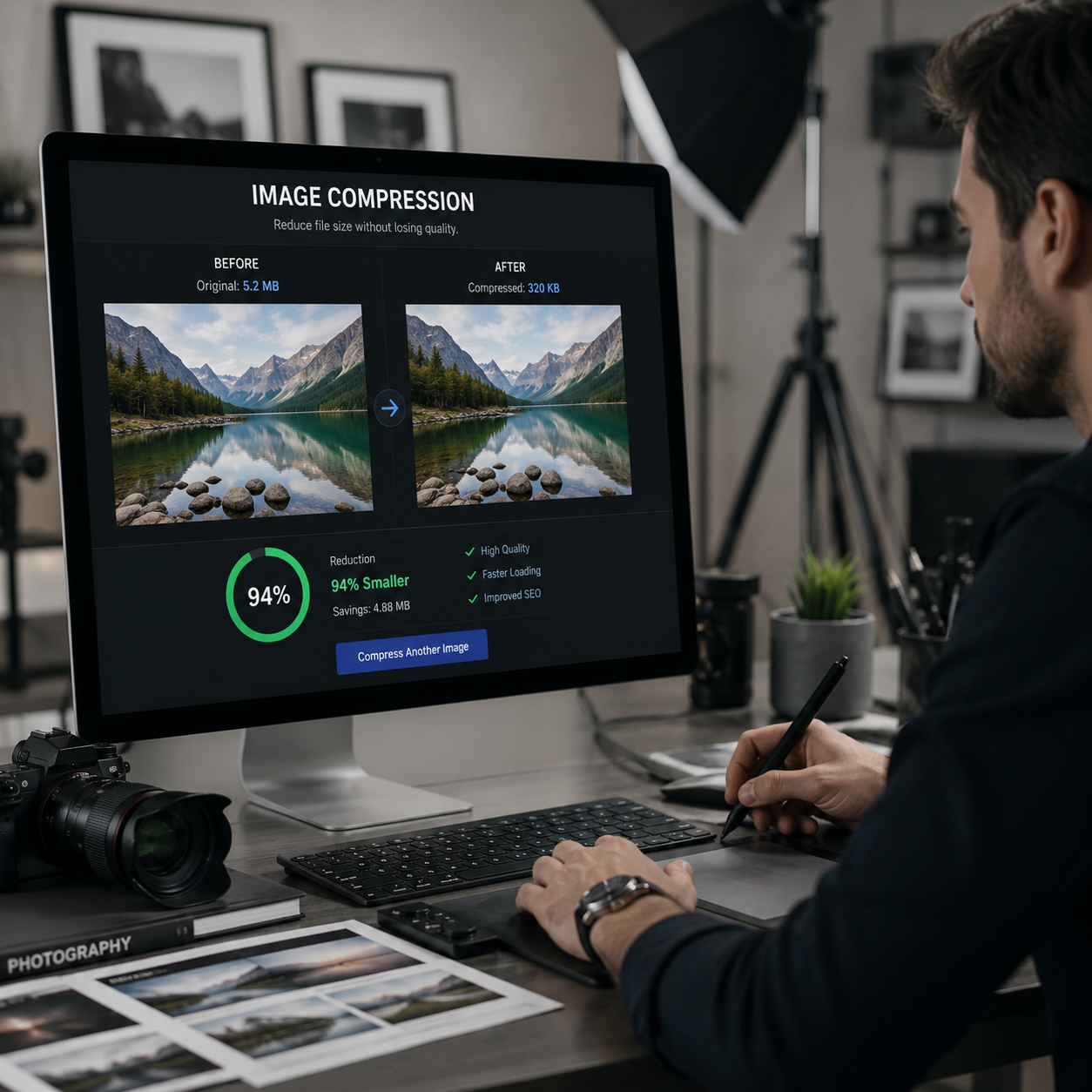
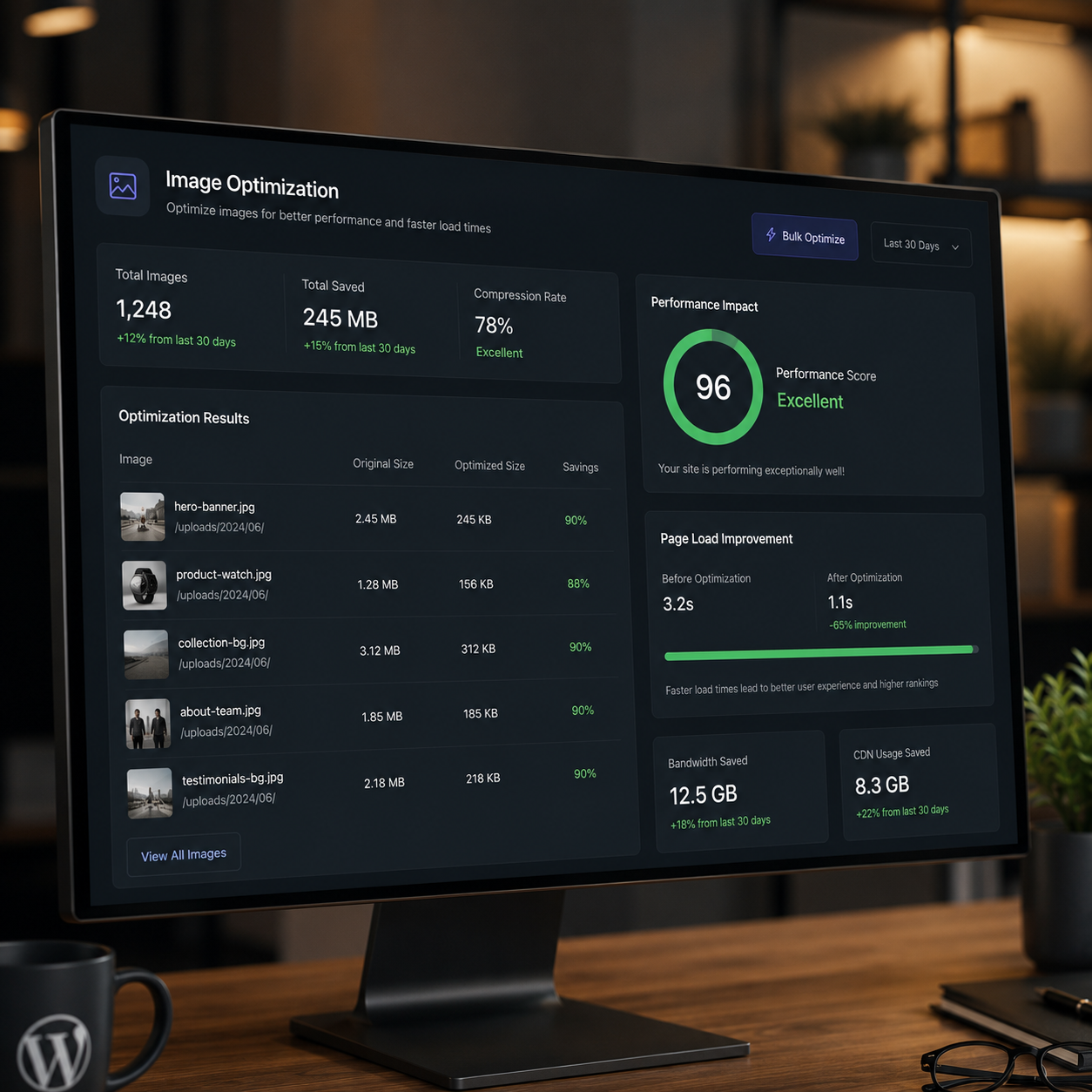
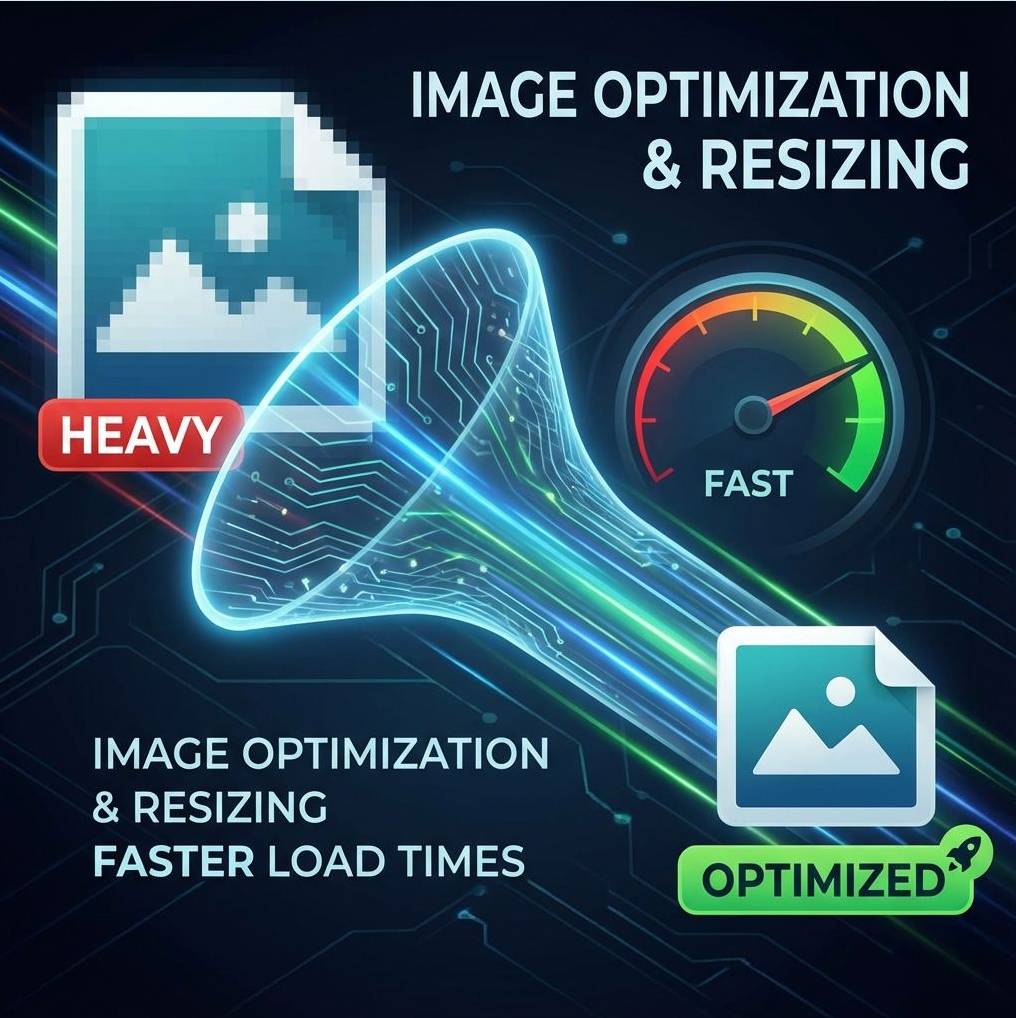
Large image files are among the biggest contributors to slow-loading websites. High-resolution images may look impressive, but uncompressed media can dramatically increase page size and loading times. Every image should be optimized before uploading to WordPress.

Modern image optimization tools compress files without noticeable quality loss. Additional techniques such as lazy loading ensure that images load only when visitors scroll to them. This reduces initial page load times and improves perceived performance.

Converting images to next-generation formats such as WebP can further reduce file sizes while maintaining visual quality. Websites with extensive image galleries, product catalogs, and blog content often experience substantial speed improvements after implementing proper image optimization practices.

Use Caching and Content Delivery Networks

Large image files are among the biggest contributors to slow-loading websites. High-resolution images may look impressive, but uncompressed media can dramatically increase page size and loading times. Every image should be optimized before uploading to WordPress.


Modern image optimization tools compress files without noticeable quality loss. Additional techniques such as lazy loading ensure that images load only when visitors scroll to them. This reduces initial page load times and improves perceived performance.

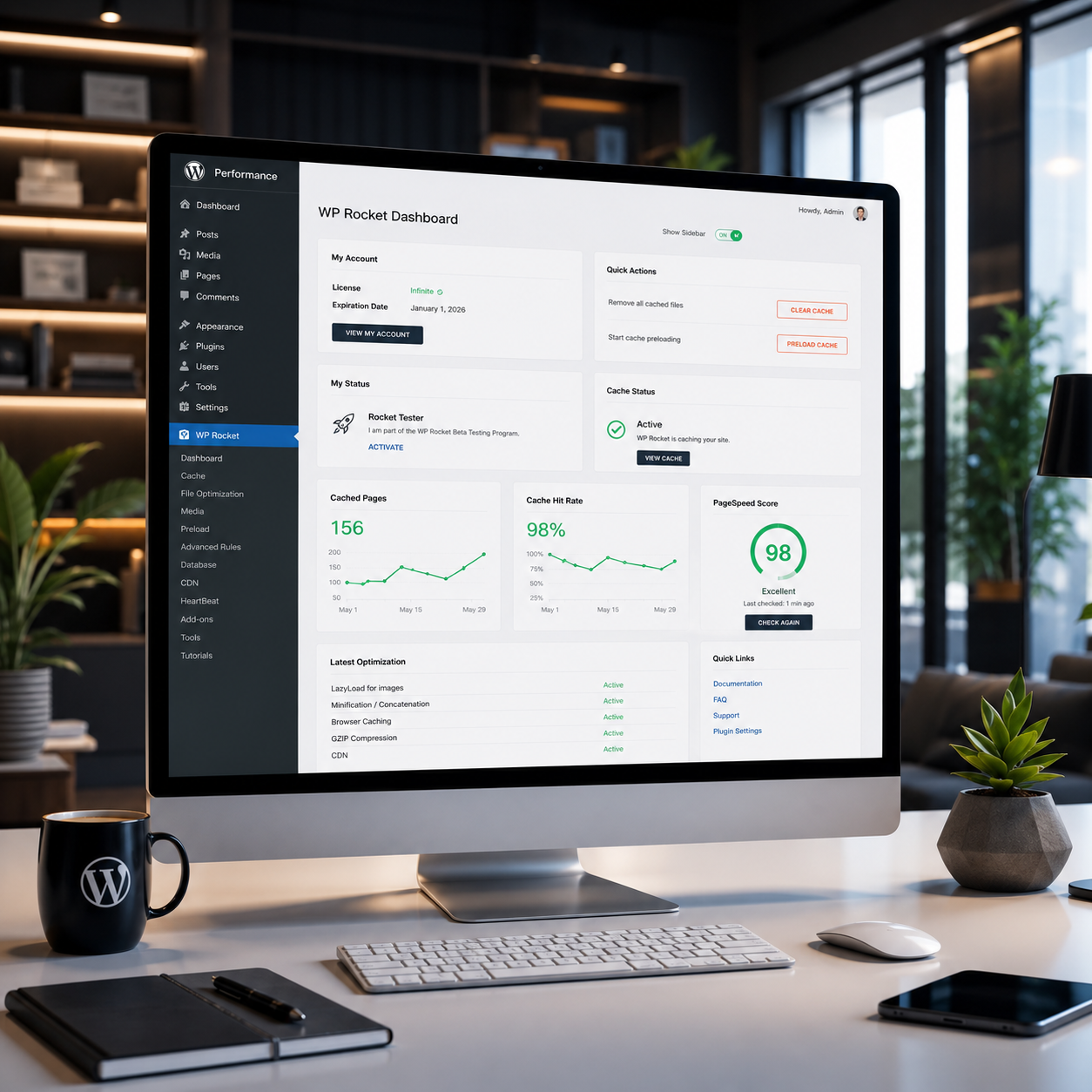
A combination of effective caching and CDN integration can dramatically improve website responsiveness, especially for websites receiving international traffic. These technologies have become standard best practices for modern WordPress performance optimization.

Remove Unnecessary Plugins and Optimize the Database

WordPress plugins add functionality, but excessive or poorly coded plugins can create performance bottlenecks. Every active plugin consumes server resources, increases database queries, and may introduce conflicts that affect speed.
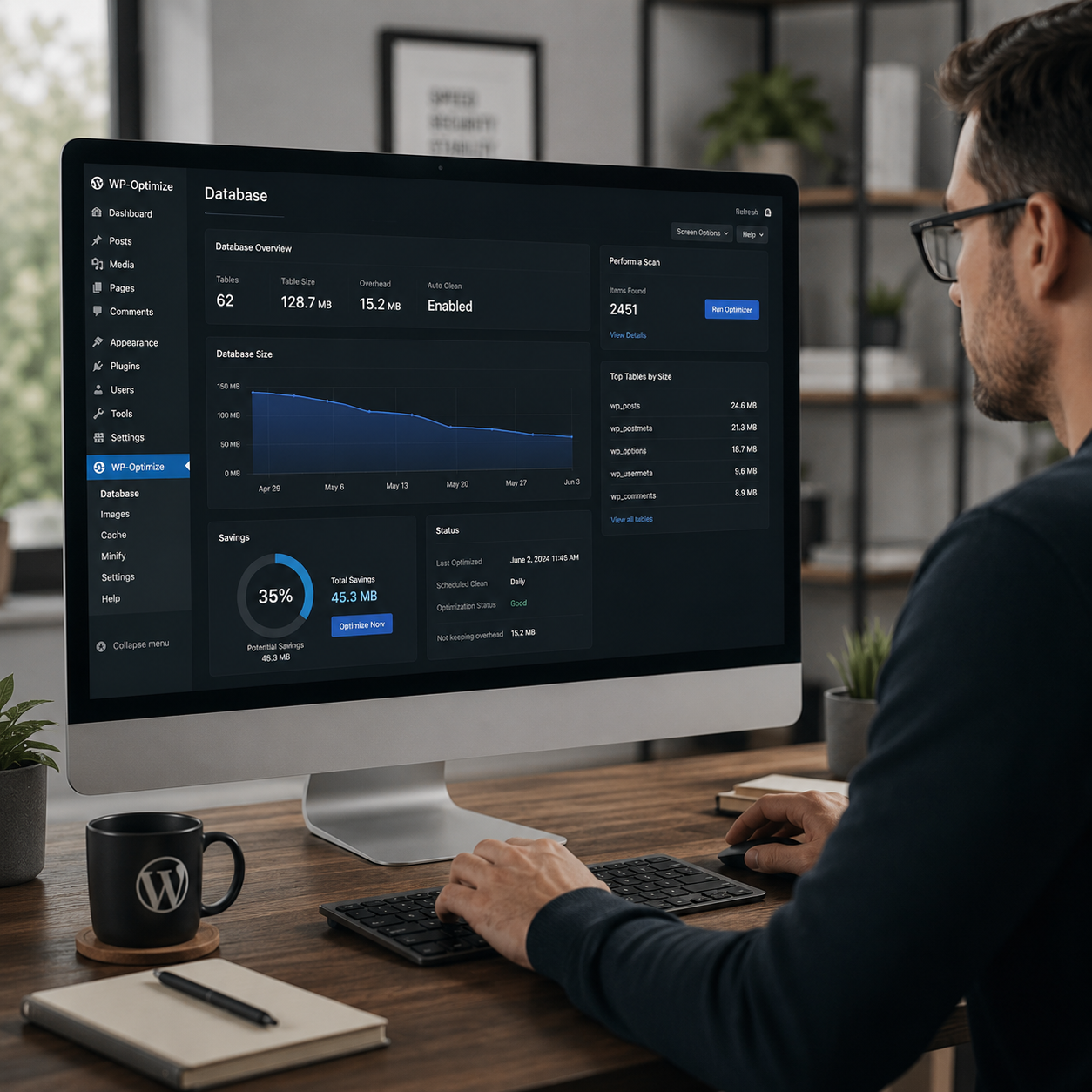
Database optimization is equally important. Over time, WordPress databases accumulate revisions, spam comments, expired transients, and unused data. Cleaning and optimizing the database improves query efficiency and reduces page generation times.

Website owners should regularly audit installed plugins and remove those that are no longer necessary. Choosing lightweight alternatives and consolidating overlapping functionality can reduce resource consumption significantly.

Regular maintenance ensures that websites remain fast, efficient, and responsive as content and traffic continue to grow.

Choose a Lightweight Theme and Optimize Core Web Vitals

Many WordPress themes include excessive animations, scripts, sliders, and visual effects that negatively impact performance. While these features may appear attractive, they often increase page size and loading times. Selecting a lightweight, well-coded theme creates a strong foundation for website speed optimization.

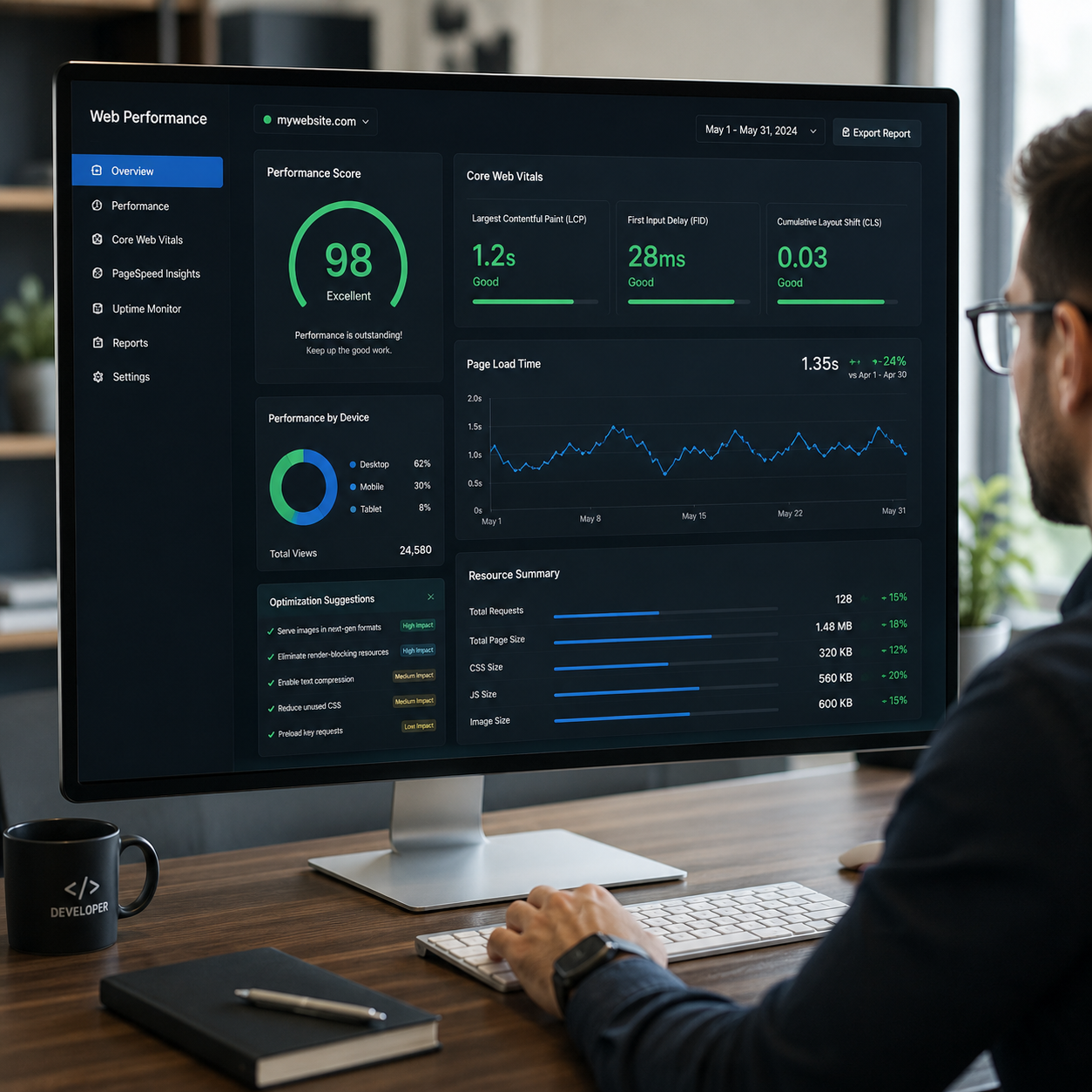
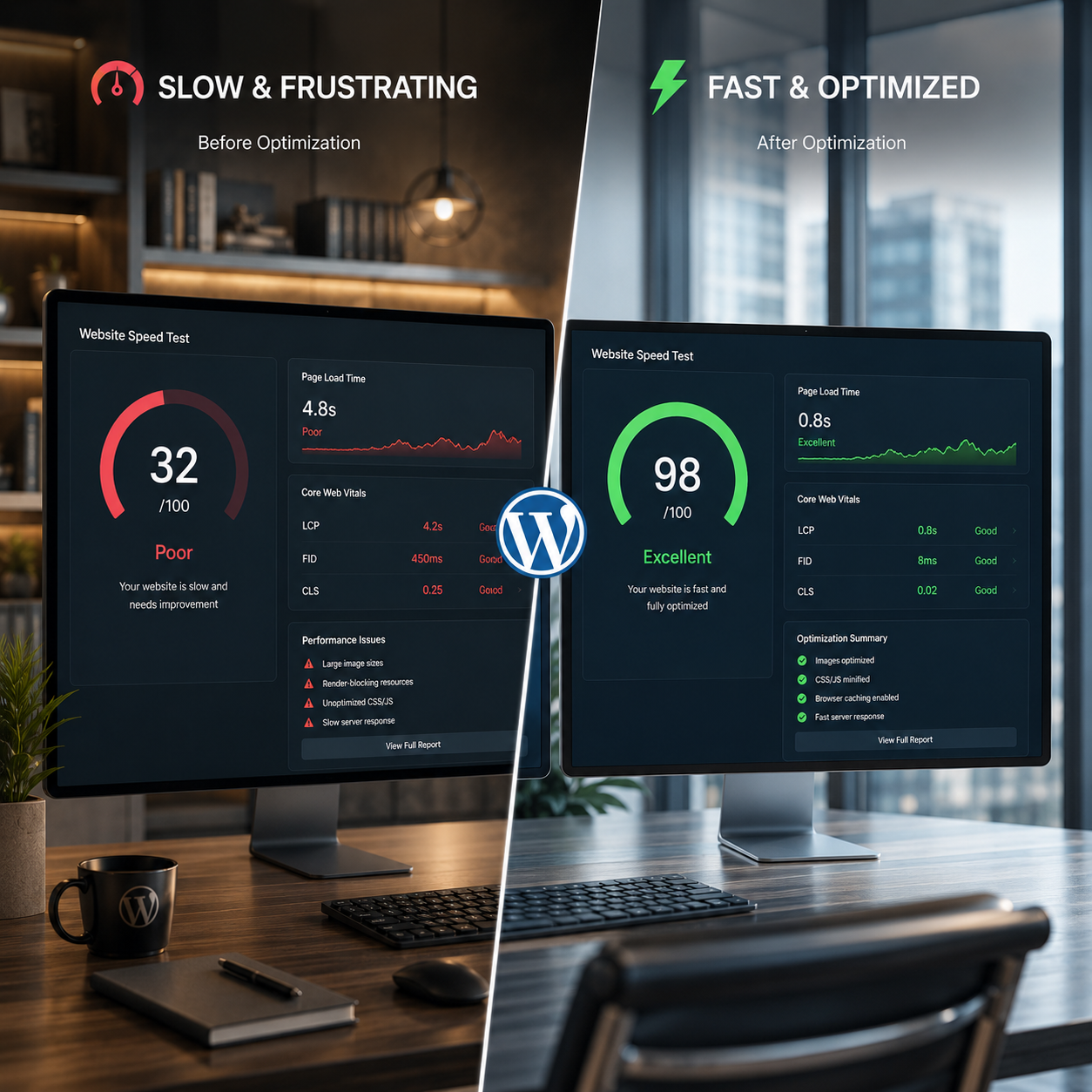
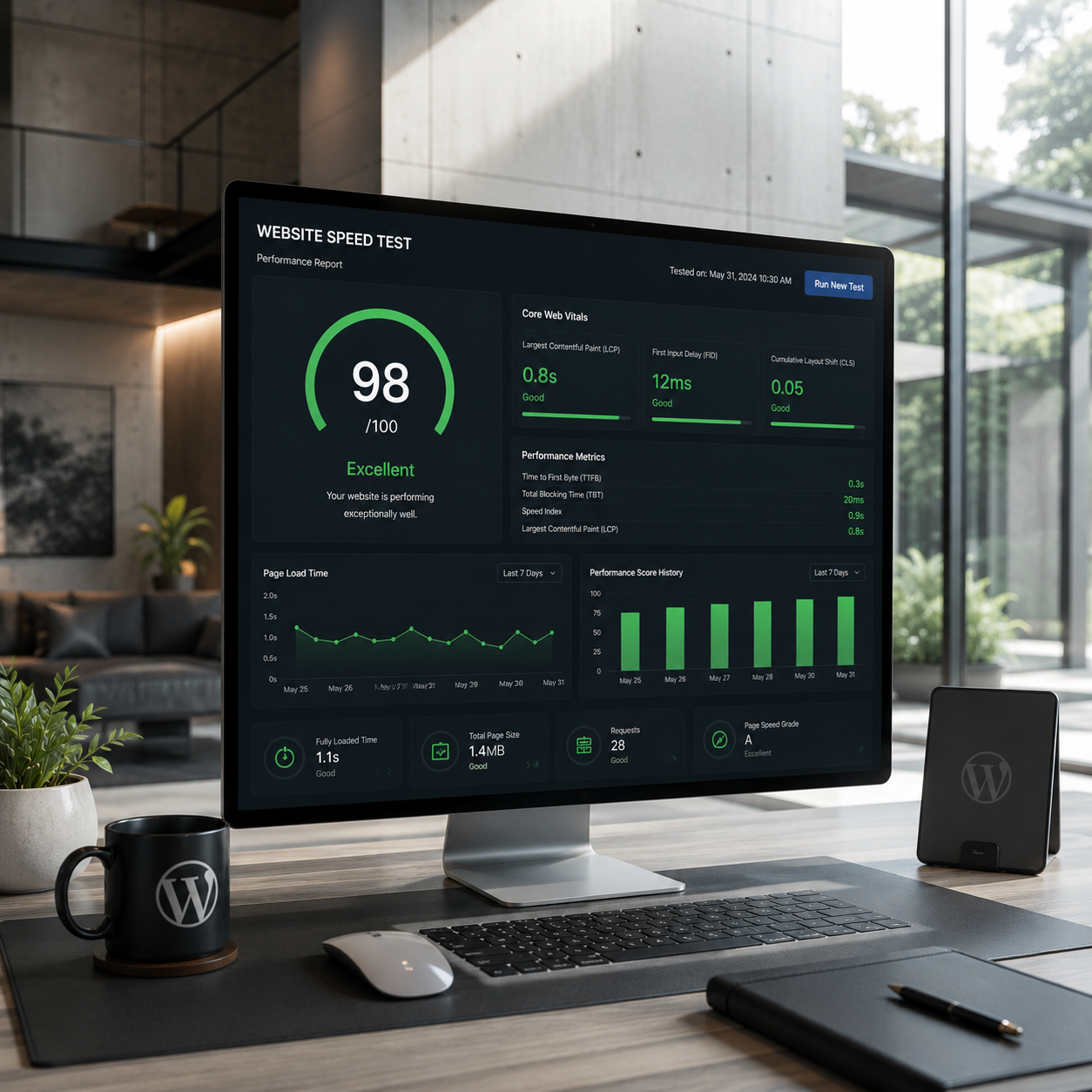
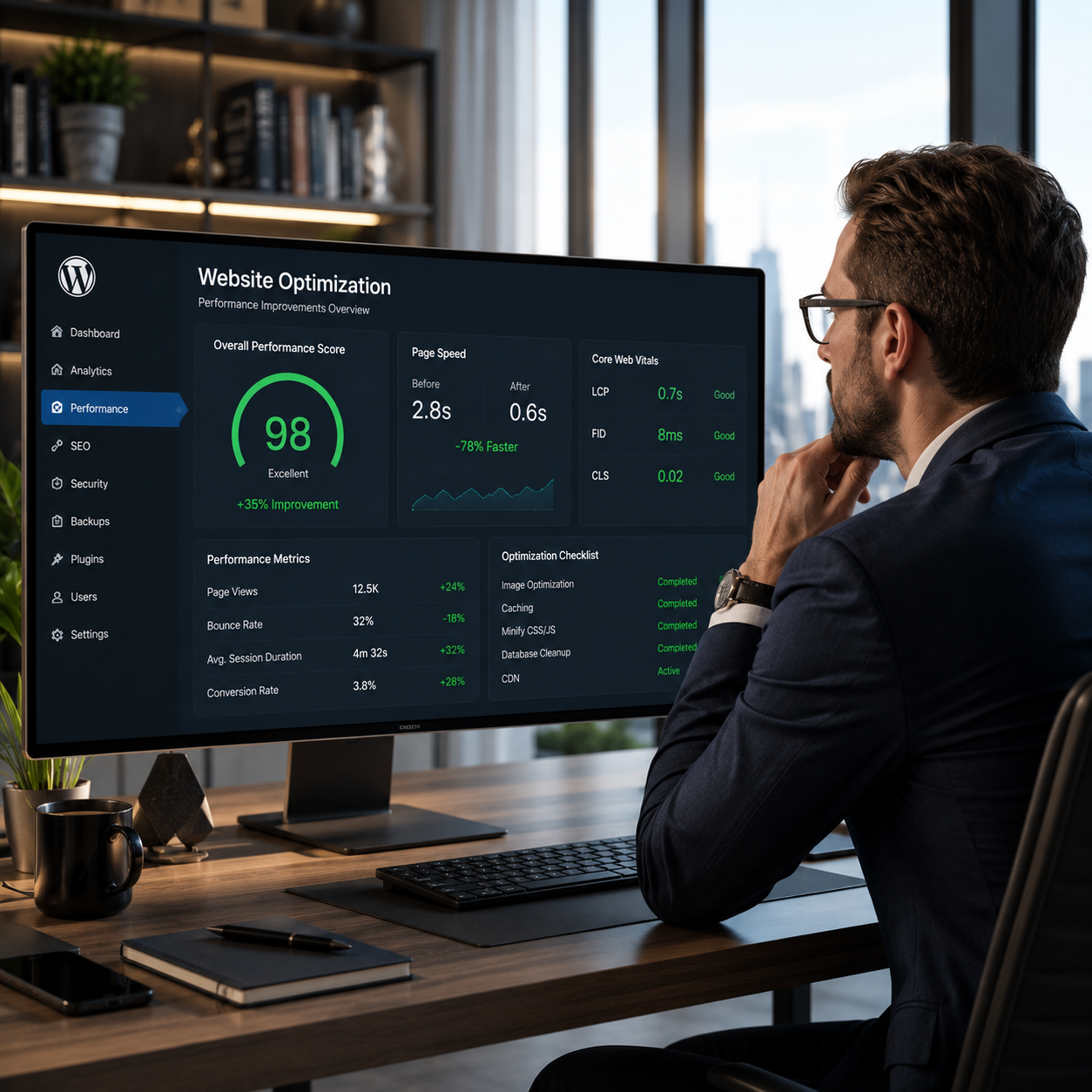
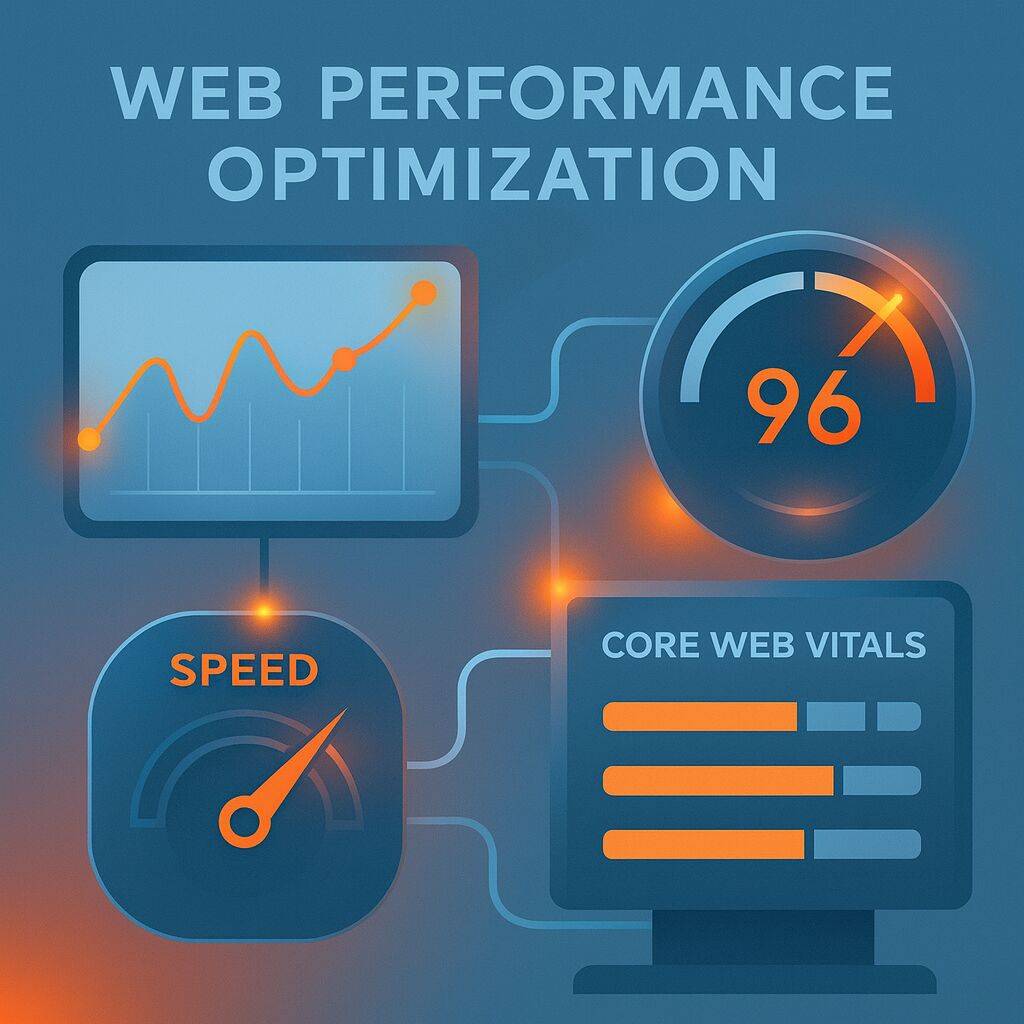
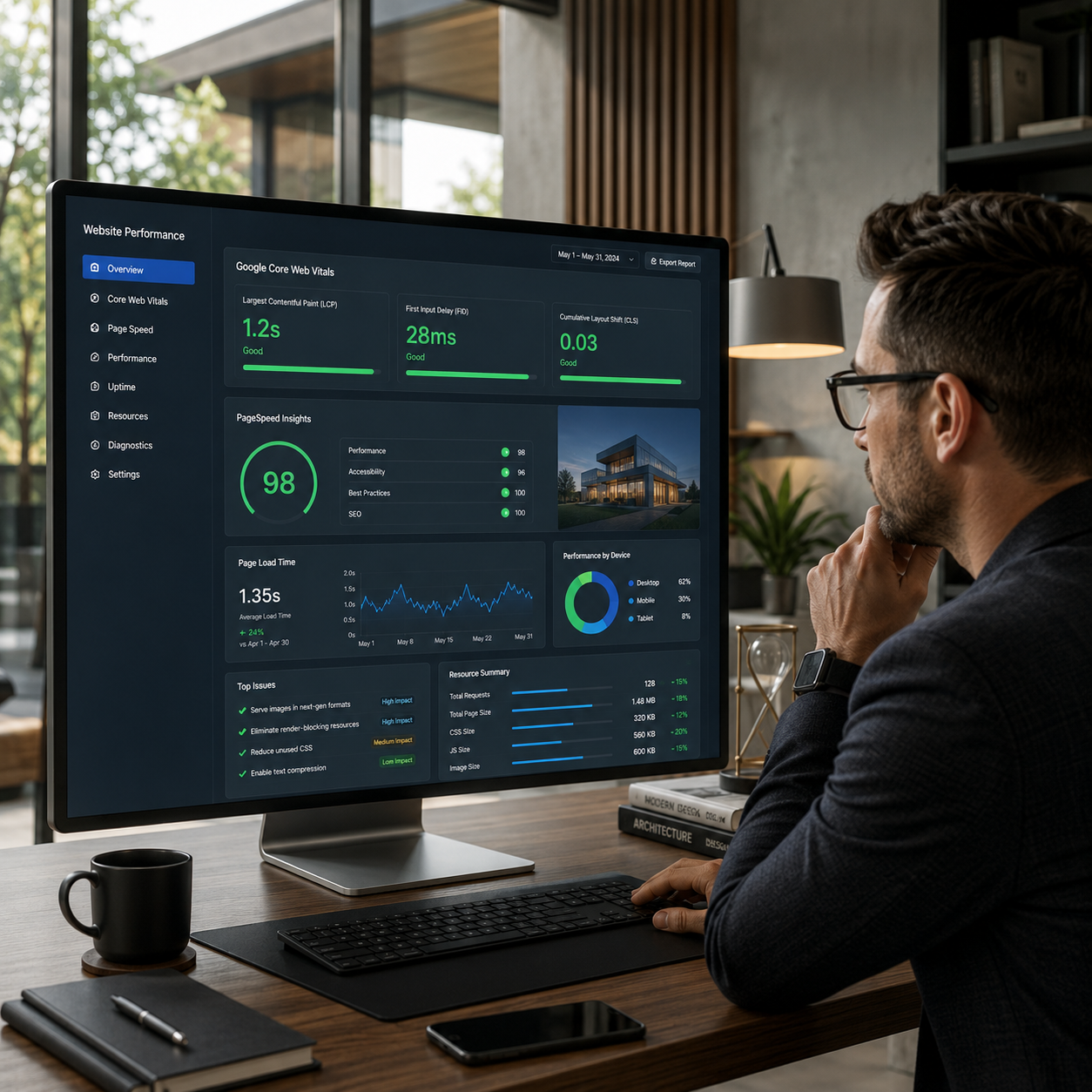
Core Web Vitals metrics such as Largest Contentful Paint (LCP), First Input Delay (FID), and Cumulative Layout Shift (CLS) provide valuable insights into user experience and website performance. Optimizing these metrics helps improve search visibility while creating a smoother browsing experience for visitors.

Minifying CSS and JavaScript files, reducing render-blocking resources, optimizing fonts, and eliminating unused code all contribute to better Core Web Vitals scores. Combined with a lightweight theme, these improvements can significantly enhance overall website speed.

A fast website delivers more than technical benefits. It improves user satisfaction, increases engagement, supports SEO efforts, and ultimately contributes to greater business success. As competition online continues to intensify, performance optimization remains one of the most valuable investments any WordPress website owner can make.

Optimize Core Web Vitals

Speed optimization is not a one-time task but an ongoing process. Regular monitoring, maintenance, and updates ensure that websites continue performing at their best as technology and user expectations evolve. By implementing these proven strategies, WordPress website owners can create faster, more reliable experiences that support long-term growth and success.

Leave a Reply

Your email address will not be published. Required fields are marked *